

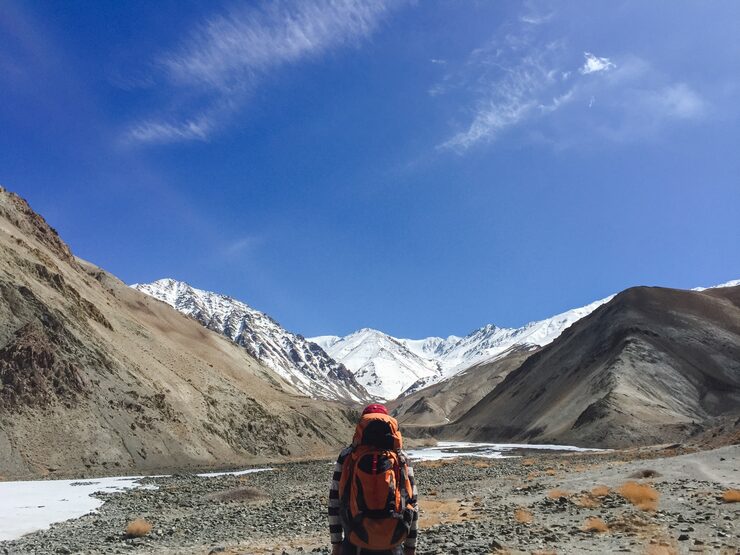
The Trek to Manaslu is one of Nepal’s most rewarding high-altitude adventures, offering an exceptional blend of Himalayan scenery, cultural immersion, and physical challenge. Often described as an alternative to the Annapurna Circuit, the Manaslu region remains comparatively untouched, preserving a raw and authentic trekking experience. The highlight of this journey is undoubtedly Larkey Pass, a dramatic high mountain crossing that tests endurance while rewarding trekkers with panoramic alpine views.
Located in the restricted Manaslu Conservation Area, the trek circles Mount Manaslu (8,163 meters), the eighth-highest mountain in the world. From subtropical river valleys to glacial basins near the Tibetan plateau, the trek delivers remarkable ecological and cultural diversity in a relatively compact itinerary.
Understanding the Manaslu Region
The Manaslu region lies in west-central Nepal, bordering Tibet to the north. Governed by special trekking regulations, the area requires trekkers to travel with a licensed guide and obtain restricted area permits. These controls have helped maintain pristine trails, intact villages, and traditional ways of life.
The trail follows ancient salt-trading routes used for centuries by Tibetan and Nepali traders. As you trek higher, the landscape transitions from terraced farmland and pine forests to stark alpine terrain shaped by glaciers and wind. The Manaslu region is also rich in wildlife, including Himalayan thar, blue sheep, and, in rare cases, snow leopards.
Cultural Richness Along the Trek to Manaslu
One of the defining features of the Trek to Manaslu is its cultural depth. Lower villages are primarily influenced by Hindu traditions, while higher settlements reflect Tibetan Buddhist culture. Prayer flags, mani walls, chortens, and monasteries become increasingly prominent as altitude increases.
Villages such as Samagaun and Samdo offer insight into Tibetan-style architecture and lifestyles adapted to extreme conditions. Hospitality is sincere and uncommercialized, with teahouses often run by families who have lived in the region for generations.
Larkey Pass: The Ultimate High-Altitude Crossing
Larkya Pass, also spelled Larkya La, stands at approximately 5,160 meters (16,929 feet) and is the highest point of the Manaslu Circuit Trek. Crossing this pass is the most physically demanding and technically challenging section of the journey.
The ascent typically begins before dawn from Dharamsala (also called Larkya Phedi). The trail traverses moraines, frozen streams, and often snow-covered slopes. Weather conditions can change rapidly, making proper acclimatization and timing critical.
Reaching the summit of Larkey Pass is a defining moment. From the top, trekkers are rewarded with sweeping views of Himlung Himal, Cheo Himal, Kang Guru, and Annapurna II. The descent toward Bimthang introduces a dramatic change in scenery, with wide glacial valleys giving way to lush alpine meadows.
Physical Demands and Acclimatization
The Trek to Manaslu is classified as moderate to strenuous, largely due to its length, elevation gain, and the crossing of Larkey Pass. Prior trekking experience is strongly recommended. Proper acclimatization days, usually in Samagaun, are essential to reduce the risk of altitude sickness.
Daily trekking distances range from 10 to 20 kilometers, often on uneven terrain. While no technical climbing skills are required, stamina and mental resilience are critical, especially on pass-crossing day.
Best Time to Trek to Manaslu and Larkey Pass
The optimal seasons for the Trek to Manaslu are:
- Spring (March to May): Stable weather, blooming rhododendrons, and clear mountain views.
- Autumn (September to November): Crisp air, excellent visibility, and reliable trail conditions.
Winter treks are possible but risky due to heavy snowfall on Larkey Pass, while the monsoon season brings landslides and reduced visibility.
Permits and Regulations
Because the Manaslu region is a restricted area, trekkers must obtain:
- Manaslu Restricted Area Permit (RAP)
- Manaslu Conservation Area Permit (MCAP)
- Annapurna Conservation Area Permit (ACAP)
A minimum of two trekkers and a licensed guide are mandatory. These regulations contribute directly to conservation and community support.
Accommodation and Food
Teahouse trekking is the standard along the Manaslu route. While facilities are simpler than those in Everest or Annapurna regions, they are clean and comfortable. Meals are hearty and carb-rich, designed to sustain trekkers at altitude. Dal bhat, noodles, soups, and Tibetan bread are staples.
As altitude increases, food choices become more limited and prices rise, reflecting transportation challenges.
Why Choose the Trek to Manaslu?
Compared to Nepal’s more popular trekking routes, the Trek to Manaslu offers:
- Fewer crowds and greater solitude
- Authentic cultural encounters
- Diverse landscapes in a single trek
- A challenging but non-technical high pass in Larkey Pass
For trekkers seeking a balance between adventure and authenticity, Manaslu delivers exceptional value.
Conclusion
The Trek to Manaslu is more than a journey through mountains; it is a passage through living history, resilient cultures, and some of the most dramatic landscapes in the Himalayas. Crossing Larkey Pass stands as a personal and physical milestone, symbolizing perseverance and respect for nature’s scale.
For those prepared to meet its demands, the Manaslu trek offers an unforgettable Himalayan experience—remote, challenging, and profoundly rewarding.

